

By: Isabella Lin
For most, listening to music is an unconscious and constant habit–from Spotify playlists to the nondescript jazz played in elevators to the booming bass sounding from cars nearby. Music is widely enjoyed, but its uses span greater than simple enjoyment. Because music utilizes a mathematical pattern in its rhythms and intervals, the brain experiences certain sounds in such a way that adjusts and resets the nervous system.
With abundant research on the topic, the field of music therapy has begun to grow, especially via healthcare, education, and community wellness initiatives. Musical interventions–especially in the classical genre–have had notably beneficial effects on both physical and psychological conditions by engaging the brain’s pleasure pathways and modulating pain responses in the spinal cord, cortical regions, and brain stem. By prioritizing proportion, balance, and harmony, music grants human brains the comfort of a pattern, positively impacting physical markers of stress including heart rate, blood pressure, muscle tension, and peripheral temperature (Darki et al).
Now, why is this important for healthcare workers? Where healthcare professionals are expected to manage the draining and fast-paced environment of their workplace by sheer willpower and self-regulation, it is imperative to seek outlets for both physical and mental wellness. The simple strategy of putting in Airpods and listening to Mozart for fifteen minutes may seem outrageously ineffective, but it is a passive and time-efficient mood-booster. Because classical music is a strict follower of mathematical patterns and rules, the brain responds more favorably to the specific genre as opposed to others, releasing dopamine through the reward circuits (Zaatar et al). And in a field where sleep of any quality is a luxury, the positive effects of classical music on sleep are crucial to understand.
To that end, what are the best ways to embed music socially and routinely into our lives? In Pittsburgh, the answer could not be closer. The Pittsburgh Opera, Symphony Orchestra, and Ballet are all actively preparing for the beginning of the 2026-27 season, providing ample opportunity for an immersive sensory experience that will leave you feeling refreshed. The city also features local choirs and university concerts for low-cost fun. Whether or not you have enjoyed the classical music genre previously, consider its impact on physical and mental wellbeing–and put music’s de-stressing capacities to the test.
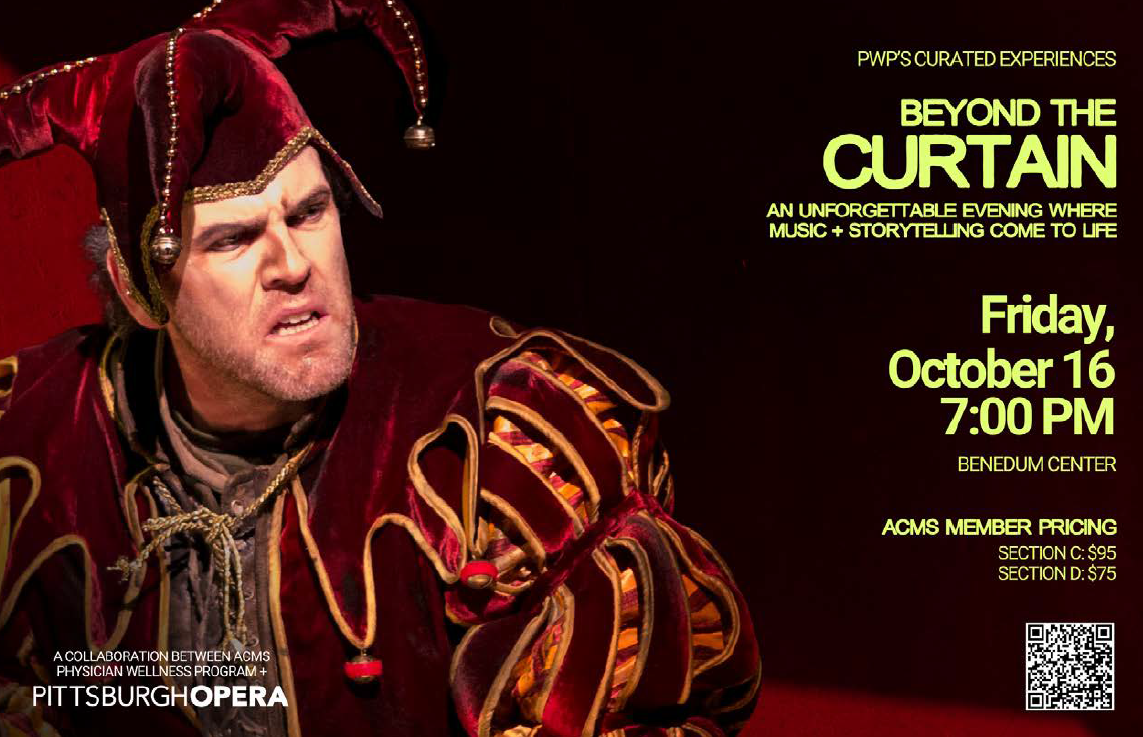
Don’t know where to start? Sign up for ACMS’s upcoming Opera Experience on Friday, October 16th
Sources:
https://www.nccih.nih.gov/health/music-and-health-what-you-need-to-know
https://pmc.ncbi.nlm.nih.gov/articles/PMC9417331/
https://pmc.ncbi.nlm.nih.gov/articles/PMC10765015/
https://www.merc-md.com/classical-music-alters-the-brain-heres-how/